Published: 17 October 2026
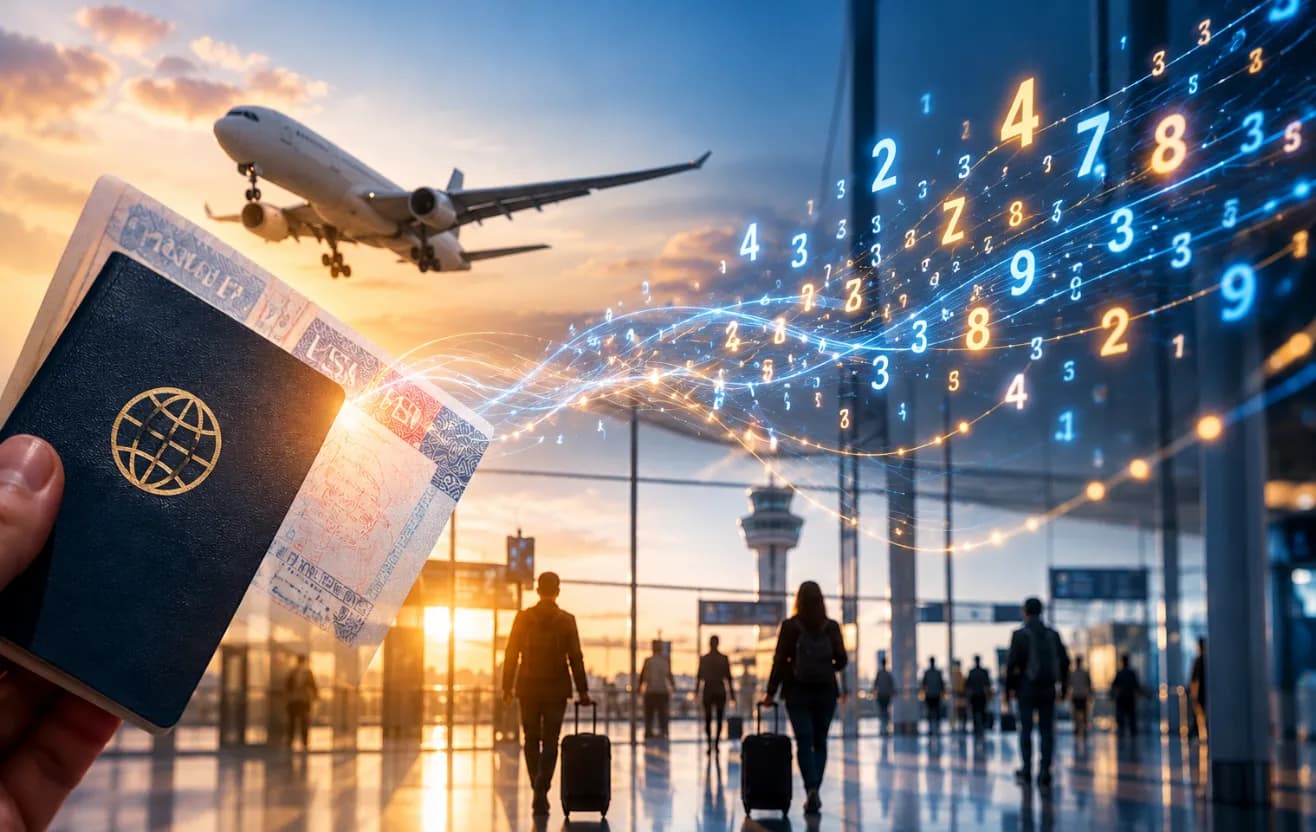
HelloGov and iVisa completed their merger on 1 July 2026, and the combined company expects to process more than 1.5 million passport and visa applications a year. The companies call it the world's largest AI-powered consumer passport and visa platform. That is their own description, but the scale is large enough to ask what it means for everyone else in the sector.
HelloGov and iVisa bring two separate businesses together.
HelloGov is a US company that helps people apply for US passports. It pairs AI-assisted forms with specialist review and a network of couriers registered with the US Department of State. The company says it has helped more than three million travellers.
iVisa has operated since 2013 and covers visas and travel authorisations for more than 100 destinations. It is now a subsidiary of HelloGov AI, Inc. Its popular services include the UK ETA and the US ESTA.
The merger is mostly about cost and scale.
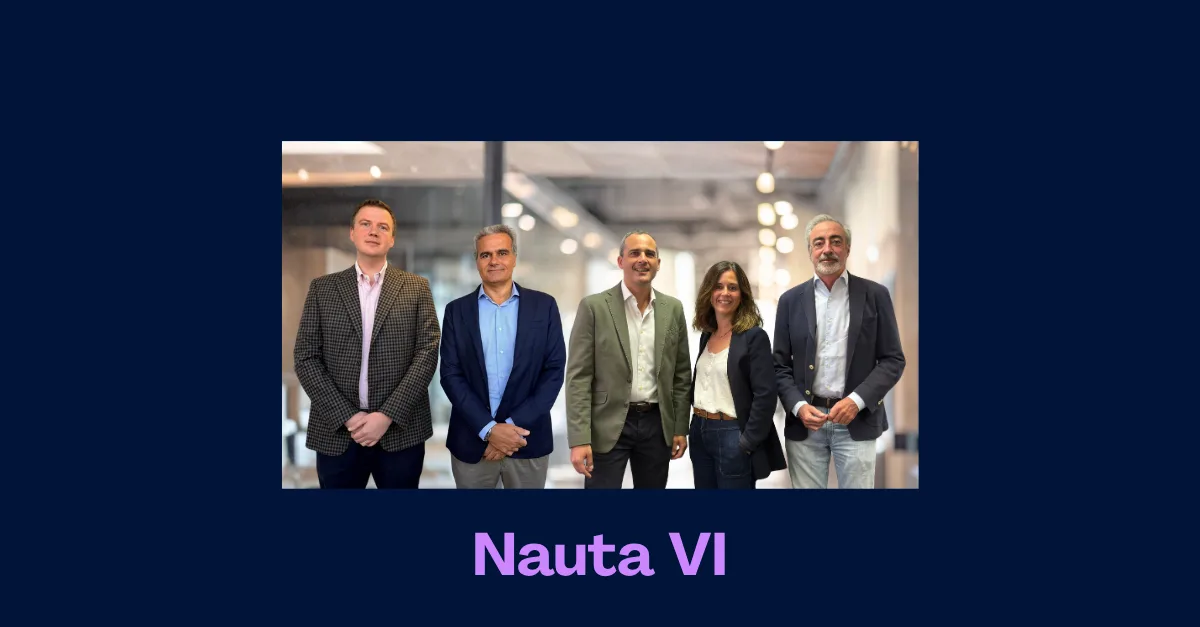
Brian LaBasco, co-founder of HelloGov, says the case rests on revenue gains from shared customers, lower overheads and spreading fixed costs over more applications. Both firms were already serving the same travellers at different stages of trip planning.
The companies also want to go beyond travel. HelloGov has launched business formation, and vehicle tag and title services are due later this year.
AI is doing the checking, while governments still make the decisions.
HelloGov's system adapts its checklist to an applicant's nationality and destination. An AI system and a human reviewer then look for errors before submission. The government still decides whether an application succeeds.
iVisa says it maintains the largest continuously updated database of visa requirements. A checker is only as good as the rules it compares against, so that database is the real asset.
Several newer companies are going after the same problem.
Intellivisa, a US company, raised $3 million in pre-seed funding on 13 October 2026. Mu Ventures and Incisive Ventures led the round, and United Airlines Ventures also invested. The company says its AI agents can submit visa and entry forms end-to-end.
Alma calls itself an AI-native immigration law firm. It raised $17 million in a Series A in September 2026 to automate employment visas and international hiring.
Earlier in 2026, Atlys raised $36 million from SIG, MakeMyTrip, Sofina and Peak XV. Reports say it has processed more than two million visas across 150 countries and is building AI tools to estimate approval chances.
Consolidation is also under way. One market map reports that Boundless bought Localyze and Deel absorbed Legalpad. That is a single source from a rival in the same market, so treat it as a lead rather than a fact.
For UK visitors, the official route should be the first stop.
From 25 February 2026, visitors from visa-exempt countries must hold an ETA before they board a transport service bound for the UK. The rule also applies to connecting passengers who pass through UK passport control.
The ETA costs £20 and allows stays of up to six months. GOV.UK warns that other websites may charge more and tells people to avoid sites that imitate government services. Check the official ETA guidance on GOV.UK before you pay anyone.
The outgoing side works differently, because each destination has its own entry rules. iVisa's listed popular routes include United States to United Kingdom, so its business already serves visitors coming to Britain.
UK policy is backing AI founders faster than it is backing the tools that help them with visas.
The government's Sovereign AI Fund launched on 16 April 2026, with up to £500 million for AI companies. Law firm Mishcon de Reya reports the government has indicated that backed startups will get super-priority visa decisions. For a closer look at one company in the fund, read our coverage of Augur's Sovereign AI Fund backing.
The Innovator Founder visa remains the main UK route for AI founders. It needs endorsement from an approved body, and Richmond Chambers reports that settlement on that route currently takes three years. Read our complete guide to the UK Innovator Founder visa before you apply.
The Home Office has a weaker record with AI in visa decisions.
On 7 August 2020, the Home Office stopped using its visa streaming algorithm, which had sorted applications by risk since 2015. Campaigners from the Joint Council for the Welfare of Immigrants and Foxglove argued that nationality was one of its factors. The department agreed to redesign the process before a court could rule.
In July 2026, the Upper Tribunal found that the Home Office had relied on a non-existent Morocco policy document in an asylum refusal. The Home Office's own review found 37 decisions were likely incorrect.
For UK founders, the opportunity sits in the exceptions rather than the basic forms.
Routine forms are being automated quickly, and the merged company is building on that. Refusals, unusual nationalities and business visas still need specialist judgement. Bizztor's view is that founders building in this space should focus there, and keep records showing how an automated tool reached its answer.
Two risks matter most for anyone using these services.
The first is data. A merged platform holds passports, visa histories and personal details in one place, so travellers should check how it stores and shares that information. The second is competition from government. If official routes become faster and cheaper, middle-layer services will need to justify their fees with better service, not convenience alone.
So is the future of visas AI? For routine forms, largely yes. For decisions about people, the government still holds the pen.